
September
One-Year Ontario College Certificate
| Contact: | E-mail: |
|---|---|
| Robert Kranendonk | rkranendonk@loyalistc.on.ca |
Graduates have the opportunity to continue their studies in a wide range of creative and artistic programs at Loyalist College – or other institutions – or apply their skills and talents to artistic endeavours within the community.
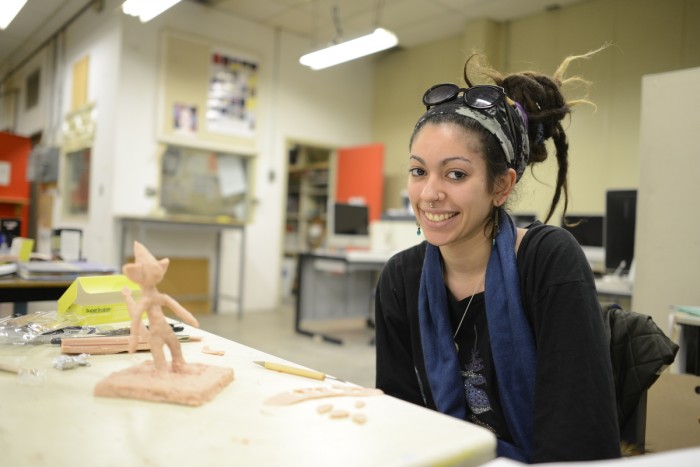
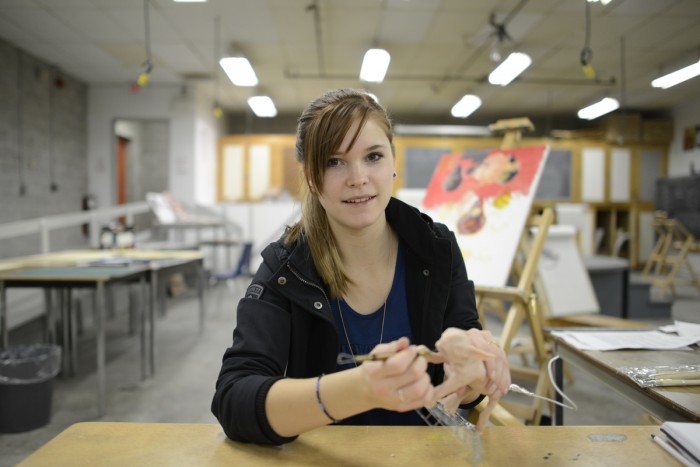
The Art and Design Foundation certificate program is a hands-on, experiential program designed to meet the needs of students interested in careers in art and design. Students focus on both traditional and digital media, developing a broad-based portfolio that reflects a flexible creative palette. Students may choose to identify, for further study, a specific sector within the art and design industry and build a portfolio targeting that area. Graduates are able to demonstrate both their artistic skill and the depth of their post-secondary education.
THE IDEAL ART AND DESIGN FOUNDATION CANDIDATE
The Art and Design Foundation program appeals to students who are interested in popular culture, art, architecture, design, photography, animation and gaming. People who are described as creative, insightful, artistic, inventive, expressive, talented or unique are great candidates for the program. Those who have a creative flair – with or without previous drawing or computer skills – may also be well-suited for the program.
Tuition/Ancillary Fees: $3,096 (two semesters)
Consumables Fee: $525
Books and Supplies: $525
(a) Required academic preparation –
OR
Graduates may consider continuing their studies in a wide range of Loyalist College art and design related programs, including:
This course explores some of the many career opportunities in the fields of art and design. Research into both the entry and educational requirements for further study, is also included.
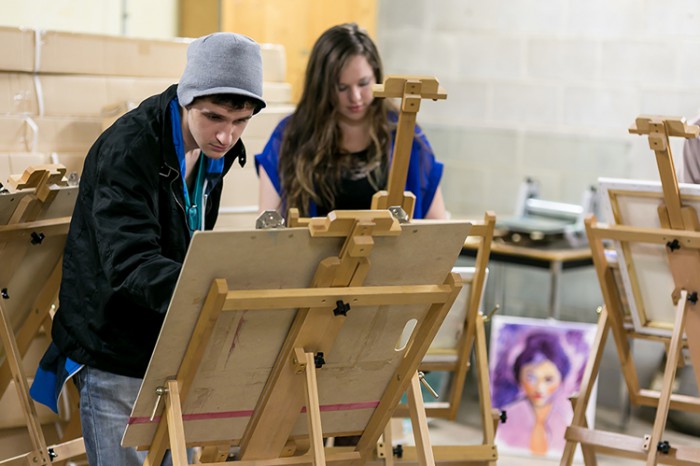
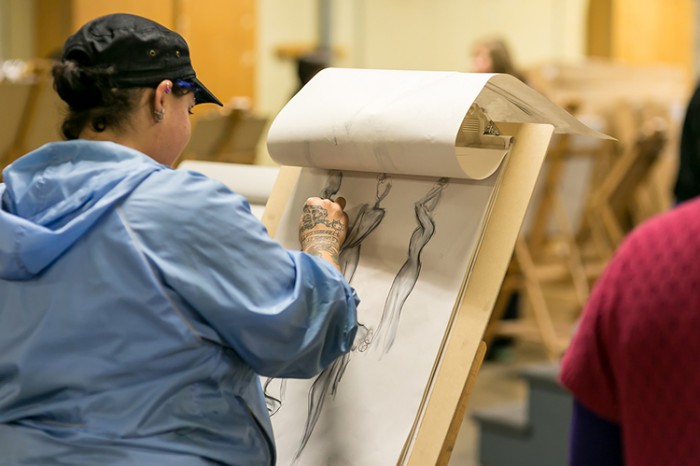
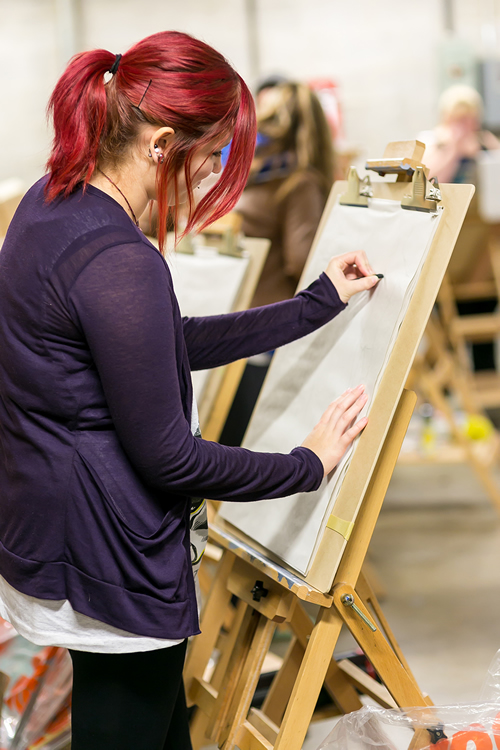
Students learn the basic principles and elements of drawing to improve their drawing skills and their ability to see detail. They are encouraged to draw with a variety of media such as pen, pencil, charcoal, markers and Conté. This course is held in a traditional drawing studio.
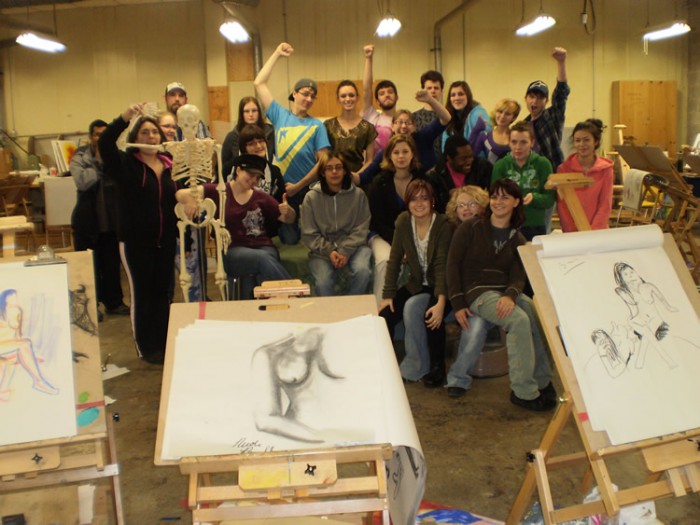
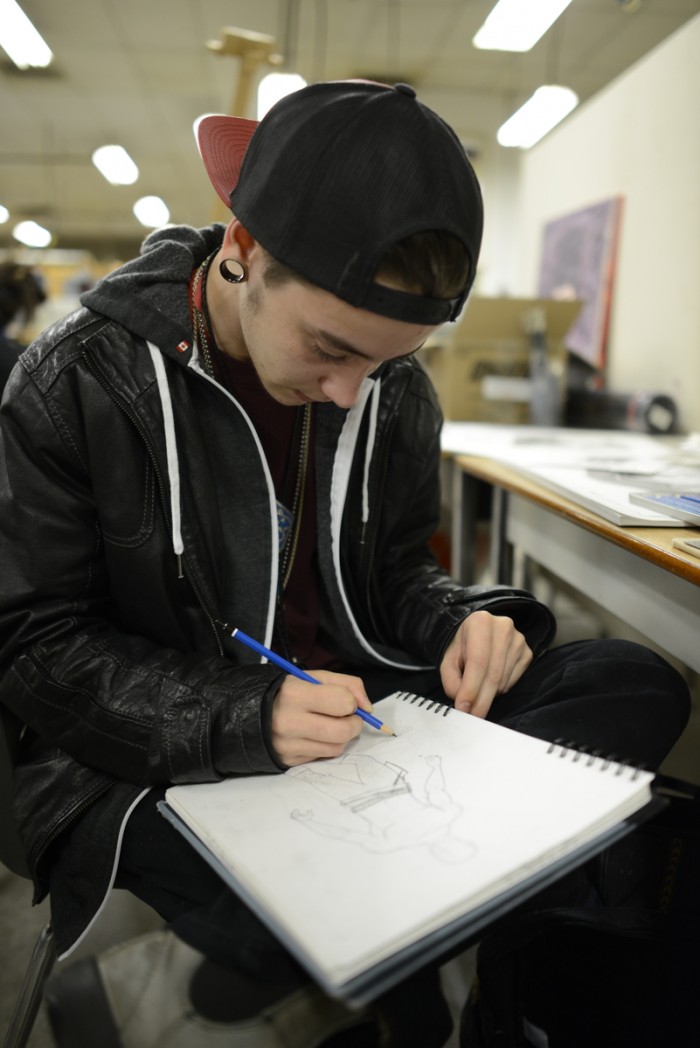
Students are introduced to the principles of drawing through a study of the human figure. By exploring a variety of drawing techniques, students learn to produce quick gestural sketches as well as detailed anatomical studies.
Students are asked to engage in a dialogue on current and historical issues in the areas of design, art, ideas and the creative process. Students prepare a variety of visual and written material to present their thoughts and ideas on the issues discussed.
In this course on the fundamentals of design, students examine and explore how design, as an applied art, is used to conceive of and create new systems, products, environments and communications. A variety of design disciplines including graphic design, multimedia, illustration, interior design and others, are used to teach students how to solve design related problems and to prepare visual material to communicate their design solutions to these projects.
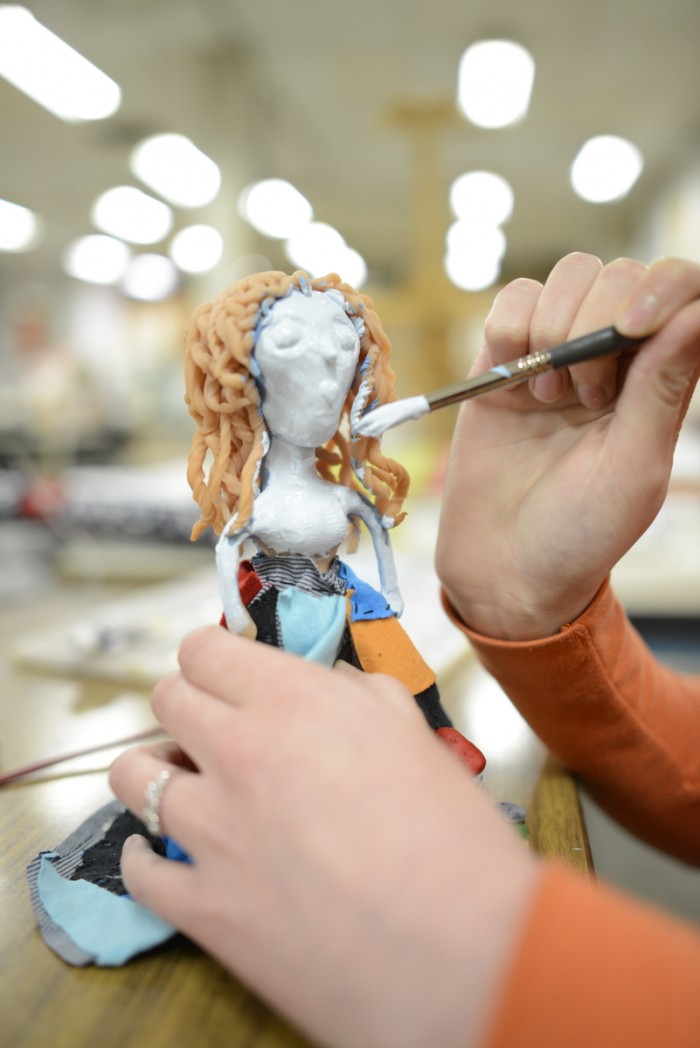
This course explores the fundamentals of 3D design, including shapes, planes, volume, mass, texture balance and positive and negative space all as they apply to the 3rd dimension. Students also explore materials, their use and construction methods as they work on projects.
This course introduces students to industry standard design software: Adobe InDesign, Adobe Photoshop and Adobe Illustrator. Students will use these applications to create invitations, posters, brochures and other collateral materials for art exhibitions. Additionally, students will be encouraged to use the software to create their portfolios.
Students display their work for viewing and evaluation by faculty. A selected number of representative pieces from each subject area must be included.
This course examines the dynamics of a community from its beginnings to its present. It provides students with an understanding of the functions of various levels of government, as well as the social and cultural environment that promotes a vibrant and sustaining community.
Students explore and develop introductory skills in the process of using the computer and its applications to draw. The course uses the traditional drawing techniques, and applies them to the electronic or digital format through two application programs from Adobe Photoshop and Adobe Illustrator. Others will be used as time and skill level permit.
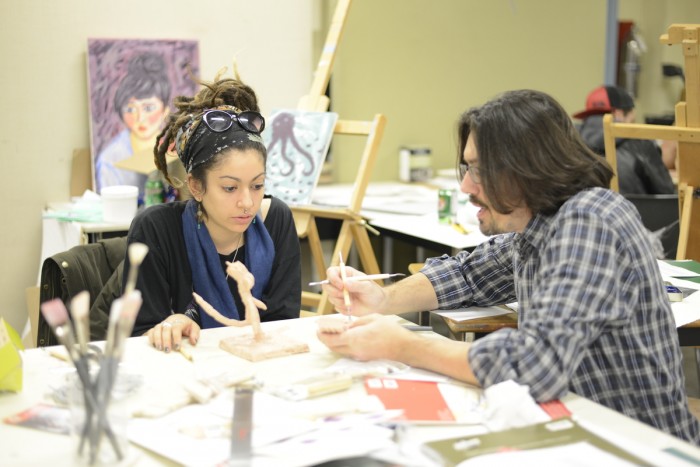
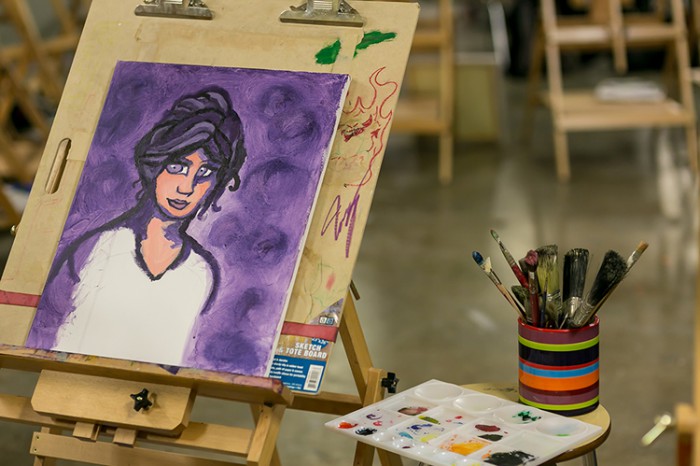
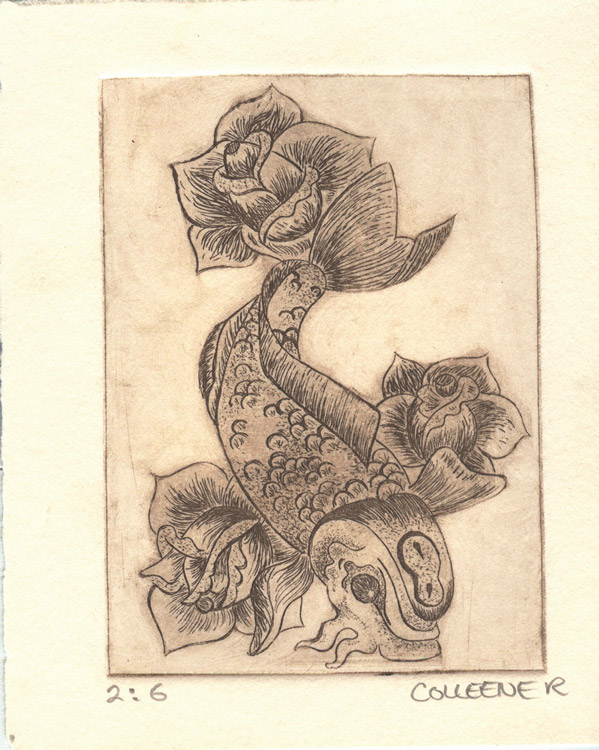
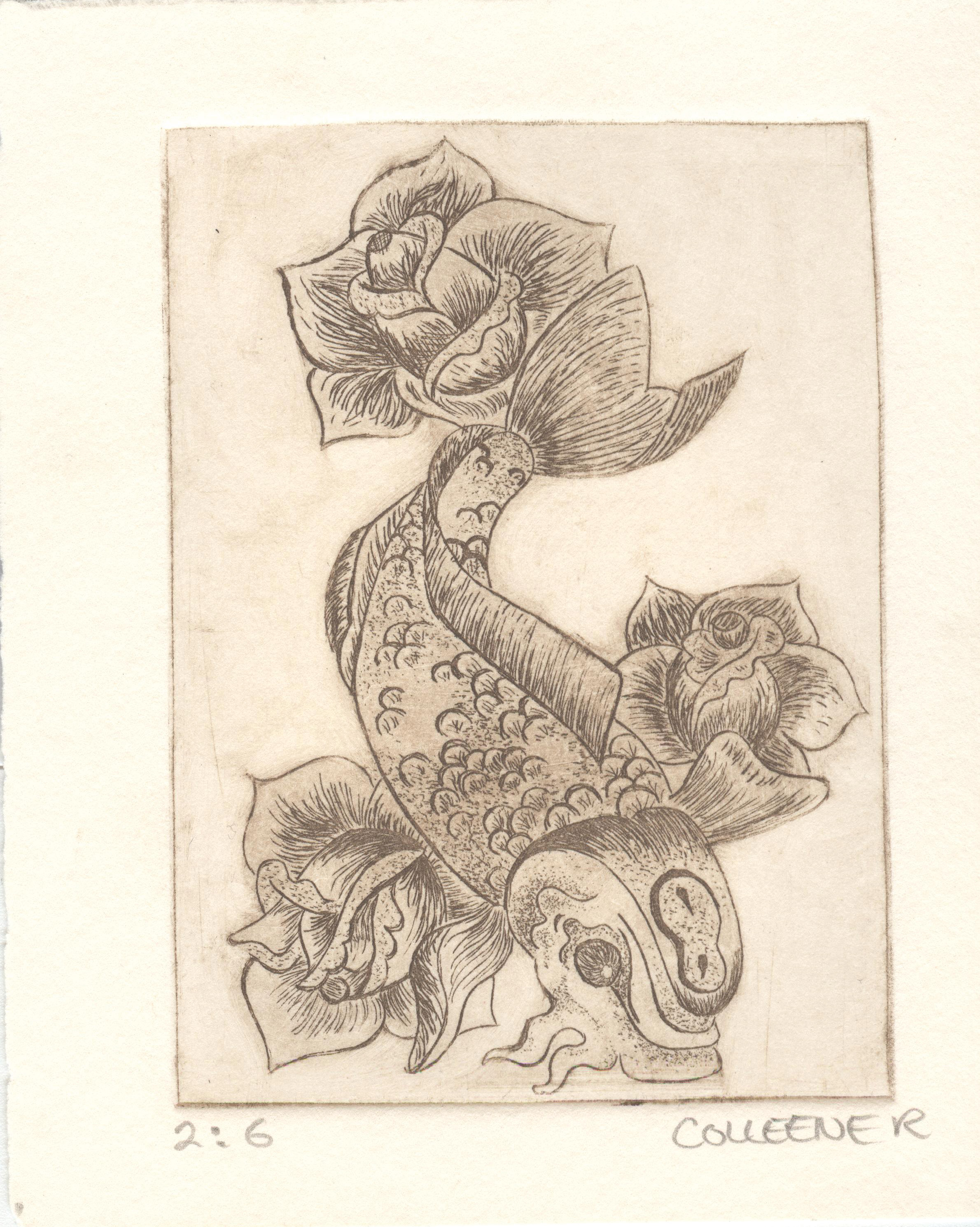
This course examines fundamental fine arts practices and the media. Students participate in studio workshops in painting (acrylic and water colour) during fall classes, and choose three workshops from a variety of options for the winter months. Artists working in a variety of disciplines from printmaking techniques; pottery; welding; mixed media; sculpture and installations; and artists books and other narratives, work with students to impart their skills and knowledge. This allows students the opportunity to explore several media avenues, develop creativity and learn basic principles in hands-on art making with a variety of artists and skilled artisans. Exposure to a range of people and practices will contribute to a well-rounded introduction to fine art.
This course is a continuation of Design Studio 1. Through various projects students continue to explore the creative and practical aspects and processes of design. This includes, typography, colour theory & the principles of design.
Experimentation with traditional visual media (pencils, pens, paint and paper) is emphasized, as well as unorthodox practices wherein the students formulate their own unique approaches, while considering several solutions in response to single challenges. Students take their experience into a classroom environment, which reflects an atmosphere of visual invention, spontaneity and the encouragement of individual, ongoing creative development.
This course combines instruction in the basic principles of photography with lectures and readings on photographic history and theory. Students shoot and edit digital photographs and demonstrate an understanding of photographic design and concepts through their assignments.
In this course, students will take their previous drawing skills and extend them into more intense observation. They will learn to appreciate art and other creative pursuits through further in-depth exploration of mass, volume and form while developing a deeper understanding of the drawing process. Students will benefit from both group and individual instruction. They will be encouraged in the importance of observation and realize that the act of seeing unto itself is integral to the process of expression.
This course helps students to develop a strong visual vocabulary critical in the art and design world by exposing them to and helping them understand the reasoning and methods behind a broad range of art, design and architecture styles, movements and periods.
The winter workshops are an additional intensive week of specialized workshops that take place during Week 6 of the semester. They introduce students to a workshop format on topics such as critiquing their own work and preparing artwork for installation in a show. Students also receive one-on-one help and critiquing as they prepare portfolios for future program acceptance or professional work. Additionally, topics on marketing for artists, tax law for artists & other resources will be offered. All other classes are suspended during this time to allow students to fully participate in the workshops.