SEPTEMBER
Two-year Ontario College Diploma
| Contact: | E-mail: |
|---|---|
| Brian Bentley | bbentley@loyalistc.on.ca |
| Jake Sandison | jsandison@loyalistc.on.ca |
A career in fitness and health promotion appeals to individuals with a commitment to a healthy lifestyle and an interest in motivating others to achieve their goals. Qualified personal trainers and fitness instructors find varied and interesting opportunities working in health clubs, corporate fitness centres, community recreation centres, military bases, penitentiaries, cruise ships and resort destinations. The program prepares graduates to work with individuals and groups, to participate in community health promotion strategies, or to pursue self-employment.
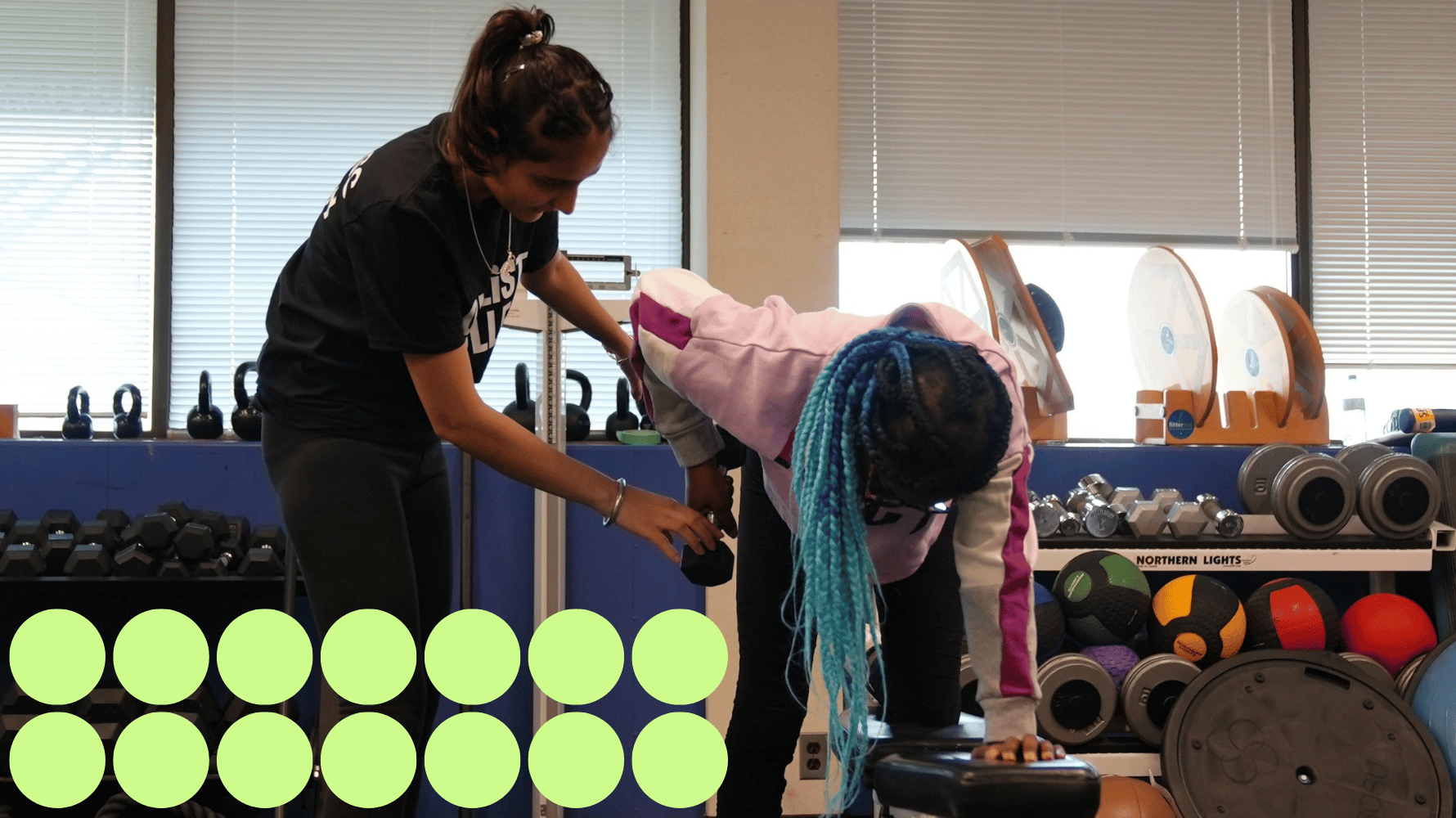
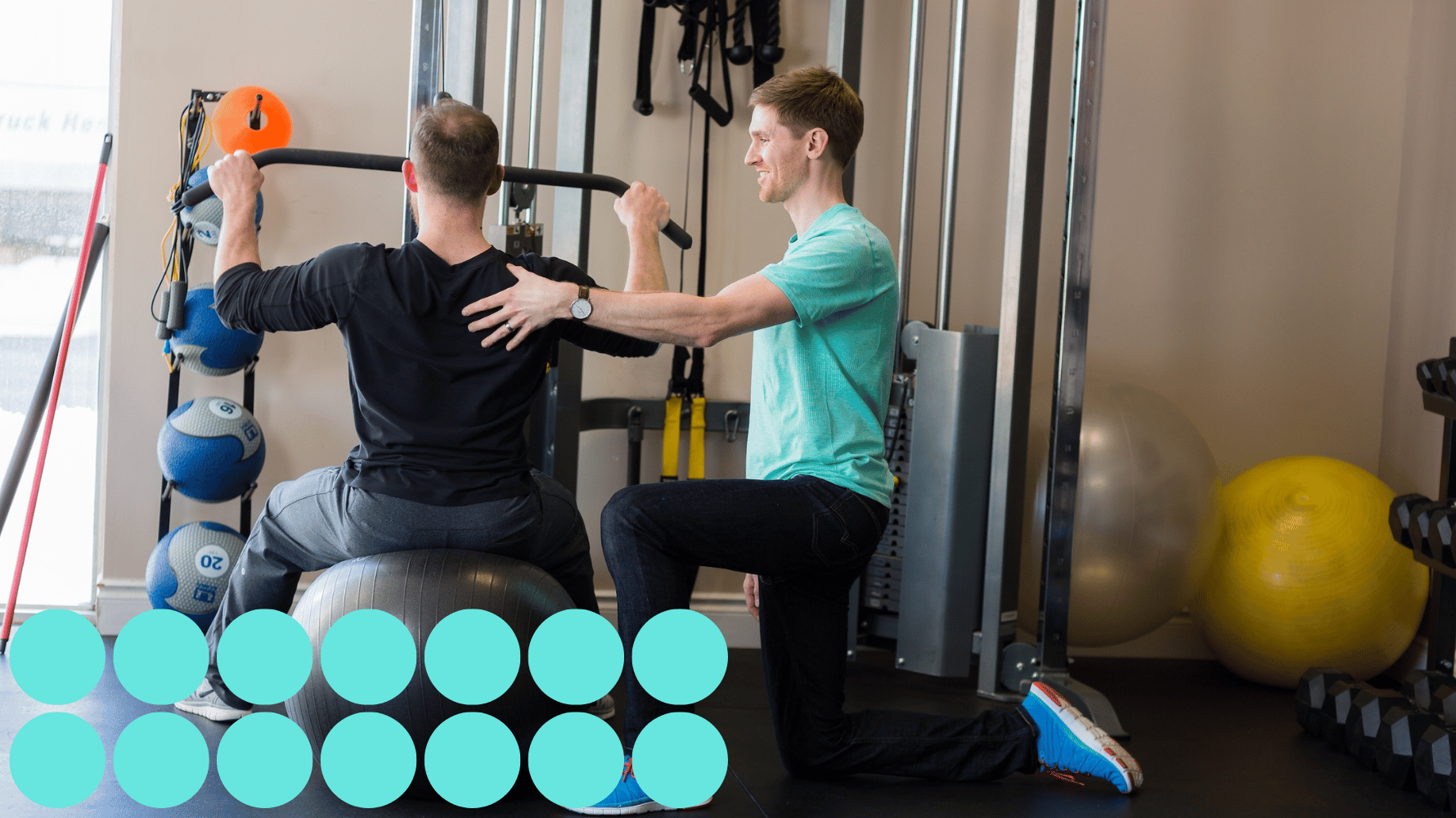
Students will develop the confidence and expertise to conduct individual and group fitness instruction. Through classroom instruction and training in our expanded and newly-renovated fitness centre, students will learn to design and implement individually-tailored fitness programs to help clients meet their lifestyle goals. They will be able to accurately assess health and fitness levels; evaluate progress; and develop an exercise prescription that will meet the needs and interests of each client. Students have the opportunity to study with faculty who have research and relevant practice experience.
Courses including anatomy, kinesiology, physiology, nutrition and chronic disease prevention provide a solid foundation for health promotion. Complementary instruction in programming and customer service will ensure that graduates enter the workforce with a well-rounded set of skills. Students gain 320 hours of practical experience in two community placements before graduation. Because work placements are scheduled at the end of classes, many students graduate into a job.
A common first year with the Recreation and Leisure Services program gives graduates the option to return for one year of study to earn a double diploma.
Together with the Canadian Society for Exercise Physiology (CSEP), our faculty participated in the development of a new national standard for personal training. Through the program, Loyalist students can receive the following industry-recognized certifications:
Tuition/Ancillary Fees: $3,241 (two semesters)
Books and Supplies: $1,450
Additional fees may be charged for supply kits, overnight field trips, uniforms, course/testing fees as applicable
(a) Required academic preparation –
OR
Recommended academic preparation –
(b) Health: A formal, confidential personal health history and up-to-date immunization are required by the College as part of the registration process.
(c) Physical Fitness: The program includes a physical fitness component. Prospective students with special needs, limitations or health-related issues that may affect their practicum/field placement or potential employment opportunities are encouraged to discuss their career goals with the program coordinator as part of the application process.
(d) CPR and First Aid: By the end of Semester Two, students are required to produce evidence of current certification in Standard First Aid and Level “C” CPR (Adult, Child and Infant).
(e) Criminal Record Check: In order to participate in most clinical placements, students will be required to complete a criminal record check by their local police service. A vulnerable sector check may be required – please check with the contact above to confirm details.
Turn your diploma into a degree. Transfer agreements are in place with the following institutions as of September 2010:
Click here for details and minimum requirements. Graduates may contact the university of their choice to make individual arrangements. Informal agreements are in place with other institutions and new transfer agreements are added annually.
Provides a detailed understanding of the structure and function of the human body. Emphasis is placed on components of homeostasis which form the basis of the field of exercise physiology.
A review of the history of sport, recreation, and leisure time activities in Canada. An overview of the development of national bodies, professional governing societies and regulatory agencies.
Individual and group physical activity required using both college and community facilities. Emphasis on the development of counseling skills and lifestyle enhancement planning.
Emphasis on the demographics of population aging. Identification of social, psychological and physical issues and trends associated with human aging.
Students will develop essential writing and presentation skills for the workplace with a range of computer skills to facilitate the design, creation and delivery of communication. Through a progressive series of writing and presentation tasks, learners use email, memoranda, short reports, individual and group presentations to create focused messages, with appropriately-sourced facts, for a variety of audiences. Students will use internet and data-base research, basic word-processing, spreadsheet and presentation software skills to support the process.
Students will utilize personality inventories, journaling, role playing and assignments to develop an awareness of self and others with respect to socio-psychological and emotional parameters across the lifespan. This information combined with interpersonal skills, stress reduction, conflict resolution and basic problem solving will be applied to the delivery of quality customer service.
Designed to prepare students to design and manage special events and projects by providing them with the fundamentals of planning, budgeting and scheduling.
Designed to develop an understanding of the meaning of freedoms, rights and participation in community and public life. Prerequisite: MGMT 1002
The basic theories and stages of group development, leadership and facilitator roles. Prerequisites: MGMT 1001 & COMM 1006
No description available
Students will develop and awareness of the vast array of outdoor recreation and leisure opportunities and will experience a selection of these activities in a variety of outdoor settings. Students will also identify current trends and theories related to the value and benefit of outdoor recreation experiences.
Students will be introduced to current theories of adult learning and their application to their personal and professional development plan. Students will be introduced to a variety of career opportunities via research, guest speakers and networking. This course will culminate with the development of a professional portfolio that includes a resume, cover letter and career goals to prepare the student for the placement experience.
Designed to provide students with theoretical and practical knowledge which enables them to organize and administrate leisure programs. Emphasis is on applying the theories of organization and administration within a recreation setting. Prerequisite: MGMT 1001
An overview of health care principles including childhood diseases, promotion of physical development and health care measures in the preschool.
Emphasis on theoretical and practical components of common injuries sustained during recreational activities. Prerequisites: ANAT 1000 & PHSI 1000
A six-week practicum experience in a fitness/health promotion setting that is negotiated amongst the student/program faculty and the agency placement supervisor. Evaluation of performance is based on predetermined objectives and criteria. Prerequisites: PLAC 1003 & MGMT 2001
Students will apply their knowledge of kinesiology and exercise science to plan, administer and assess a variety of fitness testing protocols and procedures. Models of rapport building and behavioural change will be implemented. Students will also acquire and employ theoretical and practical skills in the appropriate use and instruction of a variety of exercise techniques. Successful completion of the course will place students in a position to challenge the theory and practical exams for CSEP Certified Personal Trainer - Module 1.
Students will analyze various economic, sociological, scientific and political factors to identify both current and future opportunities and challenges in the fields of Recreation and Sport Management and Fitness and Health Promotion.
Examines current theories relating to the management of human resources; project and fiscal planning; decision making; and risk management practices, in relation to leisure programming. Prerequisite: MGMT 2000
Emphasis on the design and implementation of programs which overcome physical and/or developmental limitations using the principles of least restrictive intervention and normalization with focus on maximum participation. Prerequisites: ANAT 1000, PHSI 1000 & PHSI 2001
Individual and group physical activity required using college and community facilities. Emphasis on group leadership skills and on personal lifestyle enhancement programming. An outdoor education experience is included. Opportunities are available for various professional certifications relevant to the field at an additional cost. Prerequisite: PLAC 2001
This course offers the students the opportunity to discuss a variety of factors that contribute to chronic disease. These factors include socio-economic status, environmental conditions and pathophysiology. Students will examine these factors and their impact on the role of community-based health promotion.
This course will introduce the students to an entrepreneurial mindset and will develop the foundations of new venture business creation through the formation of a business plan. Emphasis will be given to the areas of public relations, marketing and promotional strategies as applied to the development of recreational and fitness/health promotion opportunities.
TBA