Find your career
Intensive training in Canada’s only multi-year Photojournalism program gives Loyalist graduates a competitive advantage as photojournalists, reporter-photographers, multimedia producers and editors, picture and assignment editors, freelance photojournalists and photographers, and digital publishing specialists.
Working across Canada in news organizations, ranging from the biggest dailies to smaller weekly newspapers, wire services, websites and other publications.
Is it for you?
People who thrive in Photojournalism come from different backgrounds. They are usually described as:
- Inquisitive, curious
- Storytellers
- Visually oriented
- Creative
- Engaged
Our grads get great jobs
- Photographer/Reporter, Postmedia Network Inc.
- Photo Editor, The Canadian Press
- Photographer, The Toronto Star
- Reporter/Photographer, The Record
- Photographer/Editor, Maclean’s
- Videographer/Editor, Maclean's, Rogers Media
Award-winning grads & students
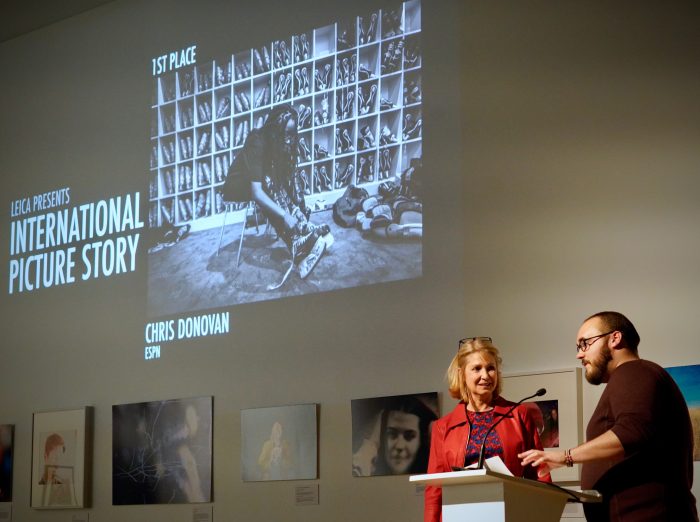
2021 World Press Photo Awards:
Sports, Stories category
- First Place – Chris Donovan
2021 Emerge Media Awards:
Photojournalism
- Second Place – Alex Bowman (2021)
2020 National Pictures of the Year Awards:
Photojournalist of the Year
- Winner – Darren Calabrese (2005) – Independent
Photograph of the Year
- Winner – Carlos Osorio (2005) – Reuters
2019 National Pictures of the Year Awards:
Photojournalist of the Year
- Winner – Ben Nelms (2010) – CBC
- Finalist – Darren Calabrese (2005) – Independent
Student Photographer of the Year
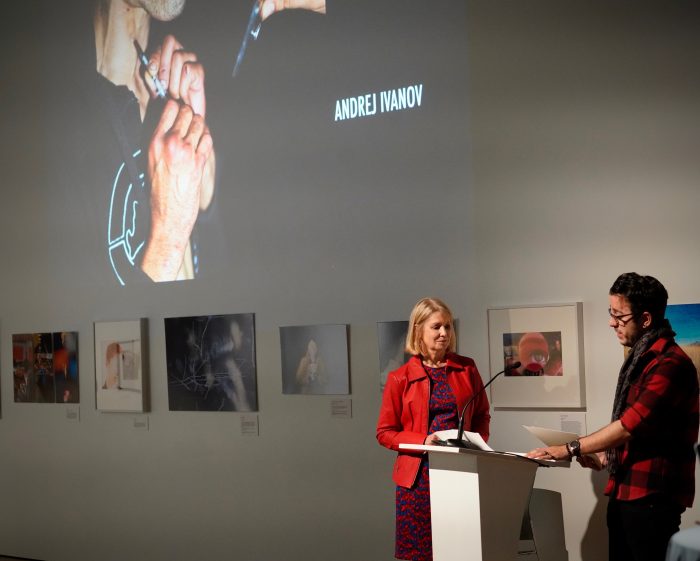
2017 World Press Photo Awards:
- Giovanni Capriotti placed first in the Sports Stories category
- Darren Calabrese placed third in the Sports Stories category
To view examples of student work, please visit loyalistcollegephotojournalism.ca.
Experiential learning
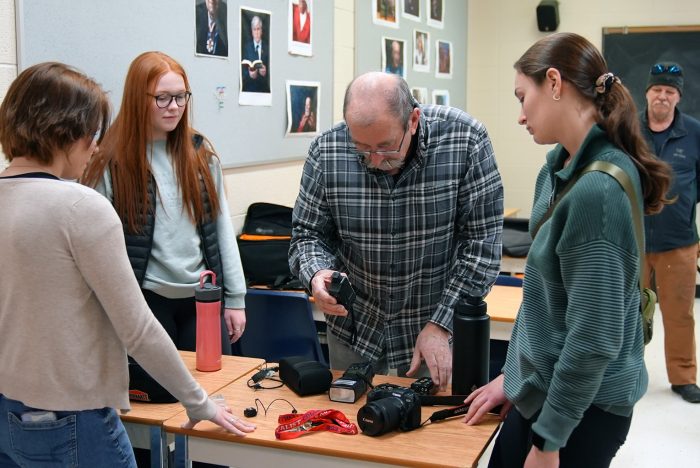
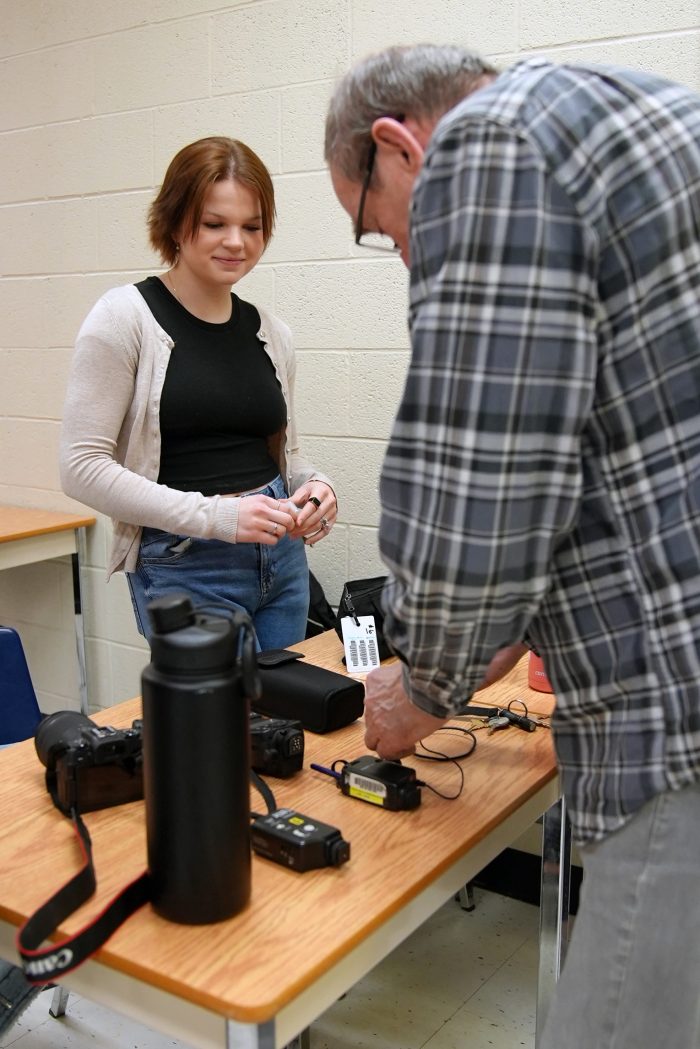
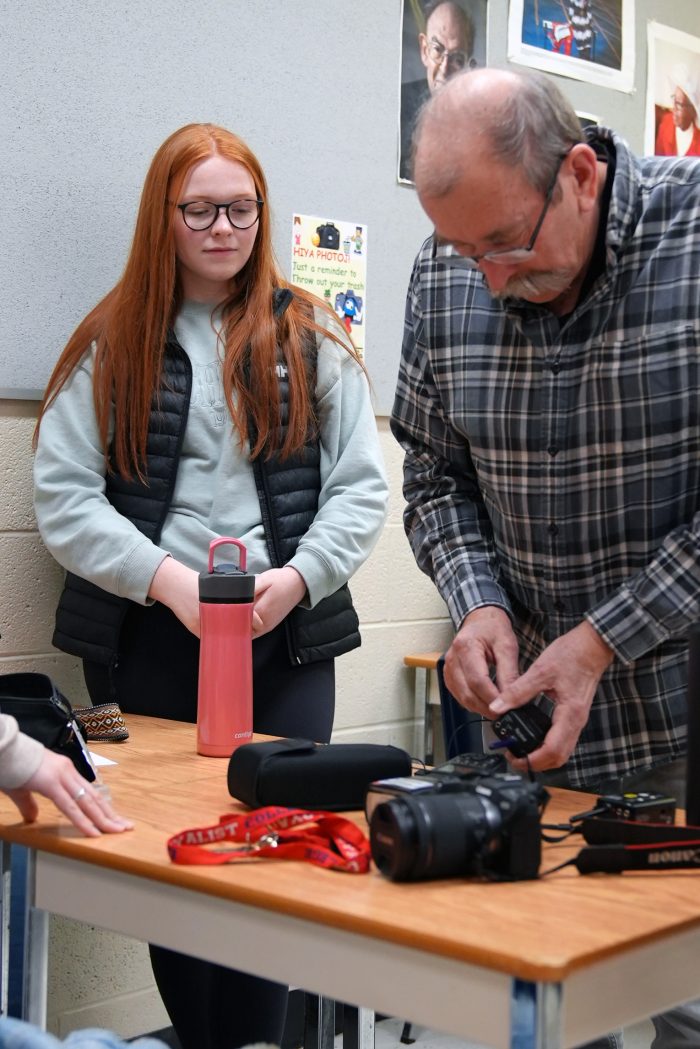
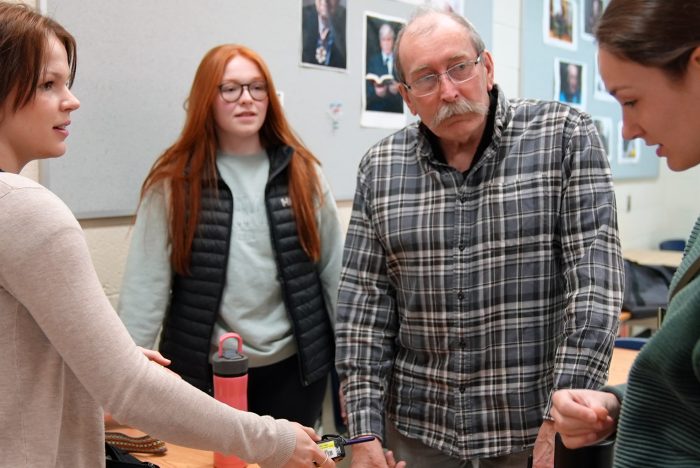
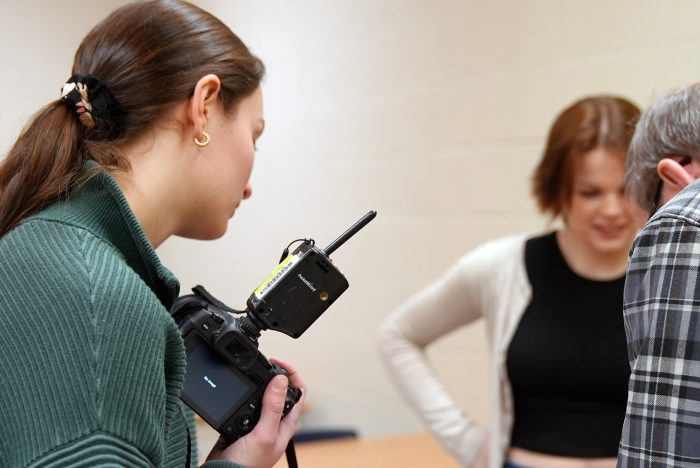
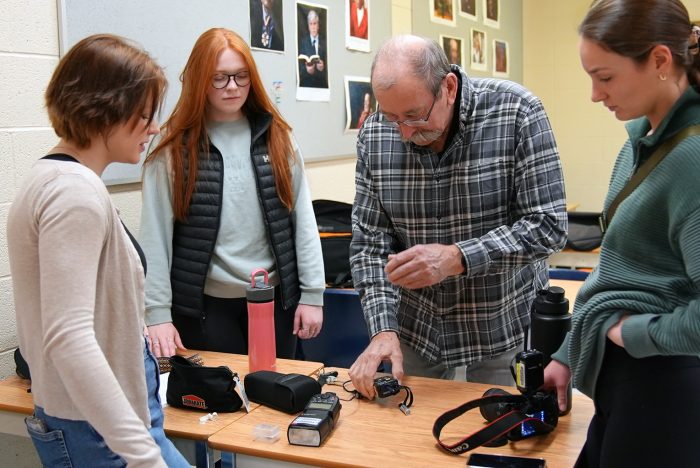
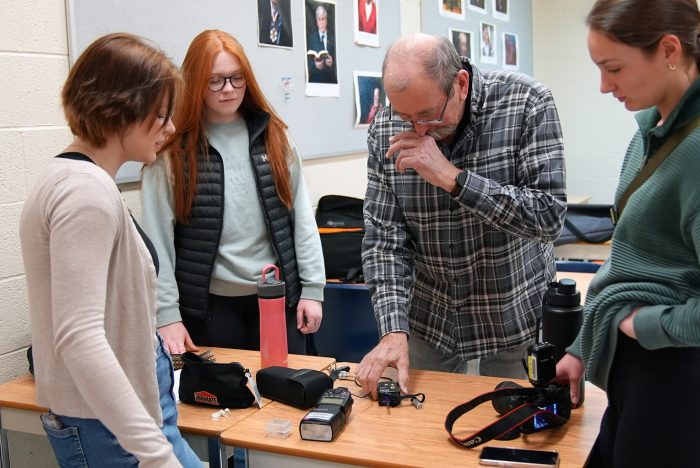
Get a well-rounded set of skills through hands-on learning in our Digital Media Centre:
- Learn how to create cross-platform content, photograph and write stories in an accurate, detailed, balanced, professional and timely manner to meet client needs for a variety of audiences.
- Work independently and collaborate as a member of an editorial and/or production team to develop and critique stories and content to meet the needs of various audiences.
- Develop strategies for personal and professional development to gain and update technical and non-technical skills required to work in the media industry.
- Gain experience with production equipment to prepare and distribute and/or publish content for designated media platforms.
- Comply with relevant Canadian legislation, standards and the principles and best practices of journalism.
- Interpret and express the context for designated publications and/or productions to meet client needs for a variety of audiences.
Finish your studies with a four-week field placement:
- Learn on the job with a 140-hour placement with a magazine, newspaper, website, wire service, photo agency, or an editorial photographer.
- Students have done placements at the Canadian Press, the Toronto Sun, the Ottawa Citizen, the Ottawa Sun, the Calgary Herald, the Windsor Star, the Montreal Gazette, the Record, Reuters, Outpost Magazine and Vue Picture Agency.
Outstanding
- Learn from respected photojournalists.
- A well-connected, broad-based advisory committee helps connect students with jobs.
- First Year - Semester One
- MEDI1026 Audio Content Creation 1
-
Audio Content Creation starts your use of live and recorded sound in media. This course addresses what sound is, and how it’s captured and enhanced, before being distributed across multiple platforms. Sound recordings will occur in the studio and on location, using a variety of microphone types. You’ll use Adobe Audition software for recording and editing in single and multitrack formats.
- COMM1079 Communication for Career Success
-
In this course, students will develop effective communication skills as an important element in their careers, whether it be within an organization, as a freelancer, or as a content creation entrepreneur.
- MEDI1038 Industry Focus 1
-
In this course, students will explore the issues and emerging trends in the media industry.
- WRIT1024 Media Writing 1
-
The fundamentals of writing to inform, enlighten, and entertain audiences are covered in this course that covers a range of media.
- MEDI1027 Multimedia Storytelling 1
-
Students will mix media using appropriate software to tell convincing and multi-dimensional stories. Students will experiment with new technologies and strategies, to see how stories are transformed through different media. Course will include case studies of successful campaigns to learn best practices to apply to their own work.
- MEDI1033 Visual Content Creation 1
-
The essential elements of visuals - video and stills - are put into practice and students will use a range of equipment, depending on the story being told and the audience.
- GNED1100 Becoming a Global Changemaker
-
This Loyalist College graduate attributes course will help shape your perspectives, broaden your understanding of important issues affecting our societies today, and equip you with invaluable knowledge and skills that will inform your ability to influence your community in a meaningful and impactful way. By exploring topics such as cultural competency, Indigenous education, entrepreneurship, sustainability, health and wellness, and ecological literacy, you'll be equipped with a powerful toolkit that extends far beyond the classroom.
- First Year - Semester Two
- MEDI1030 Audio Content Creation 2
-
The audio tool kit options will increase as students advance their skills in sound-based stories.
Prerequisite: MEDI 1026
- ETHI1018 Ethics and Current Affairs
-
The complexity of issues and current events affecting content creators will be the focus of this course, helping students to reflect on multiple ethical perspectives.
- MEDI1039 Industry Focus 2
-
Students will continue to explore the media industry and begin to identify their own career paths
Prerequisite: MEDI 1038
- WRIT1025 Media Writing 2
-
Students will create an array of fiction and non-fiction formatted scripts, copy, and commentary for various media uses.
- MEDI1031 Multimedia Storytelling 2
-
Using visual and audio assets, students will build their multimedia skills to tell and publish stories of increased complexity.
- MEDI1029 Visual Content Creation 2
-
Students will continue to weave convincing visuals and layer on post-production skills to tell stories to a range of audiences.
- GNED General Education Elective
- General Education Courses
- Second Year - Semester Three
- PHOT2000 Freelancing, Portfolio and Web Presence
-
Students will adopt necessary freelance and marketing skills, specific to photojournalism. Alongside these business skills, students will build a portfolio (stills, multimedia, and writing) throughout the semester and will present their unique photojournalism brand at the end of the term using their own personal website.
- PHOT2001 Intro to Documentary
-
The Intro to Documentary course emphasizes the planning and execution of picture stories and photo essays. Students will develop a varied visual approach and apply it to their storytelling. Improving their portfolio is emphasized.
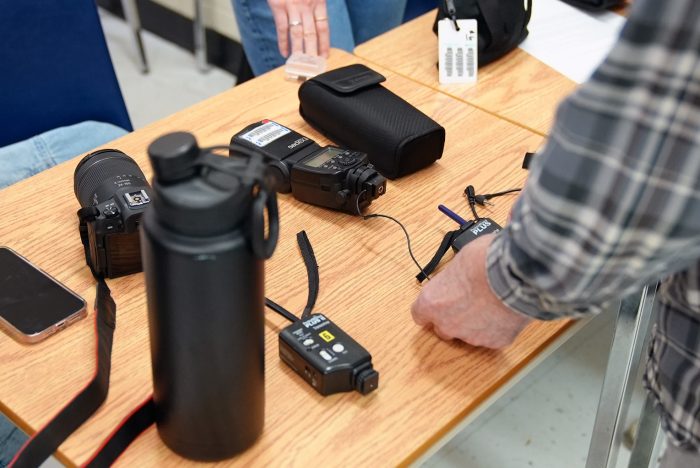
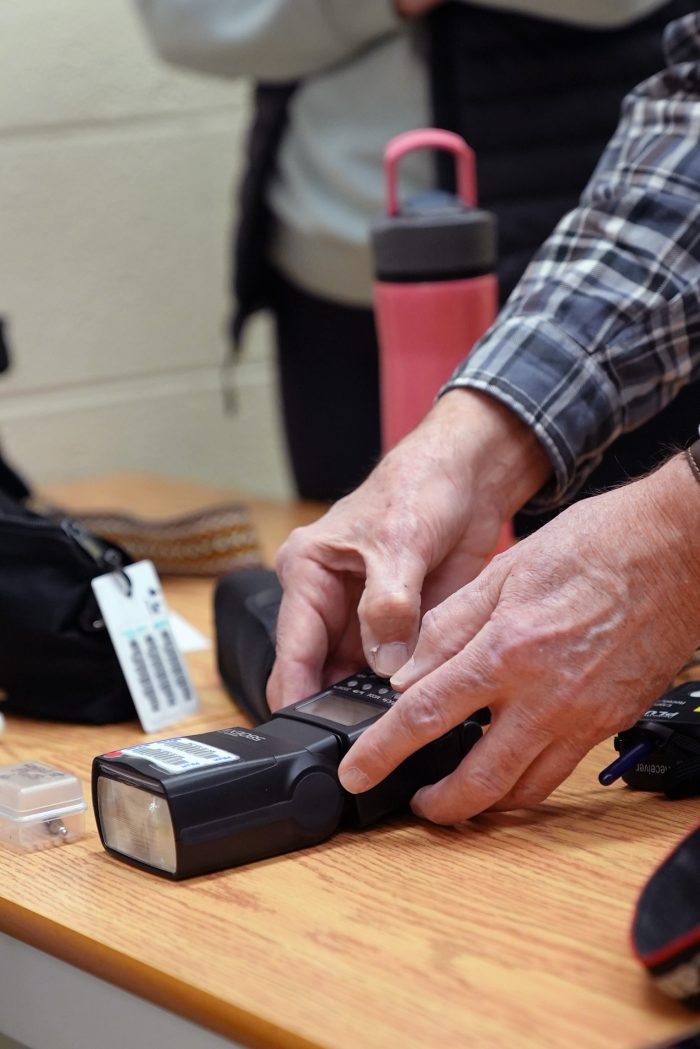
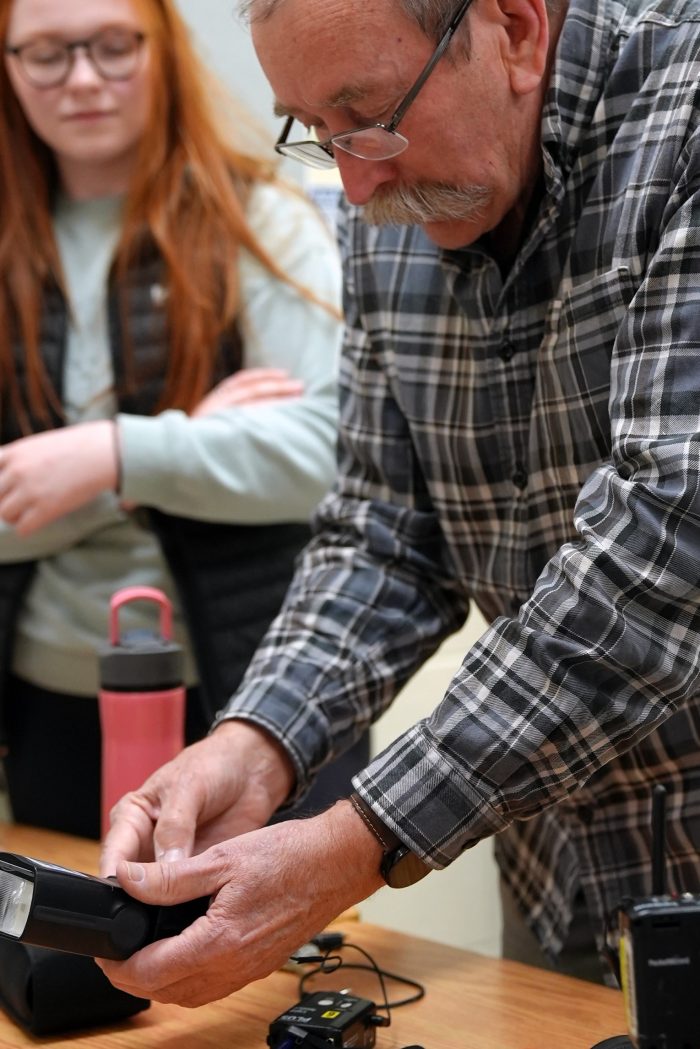
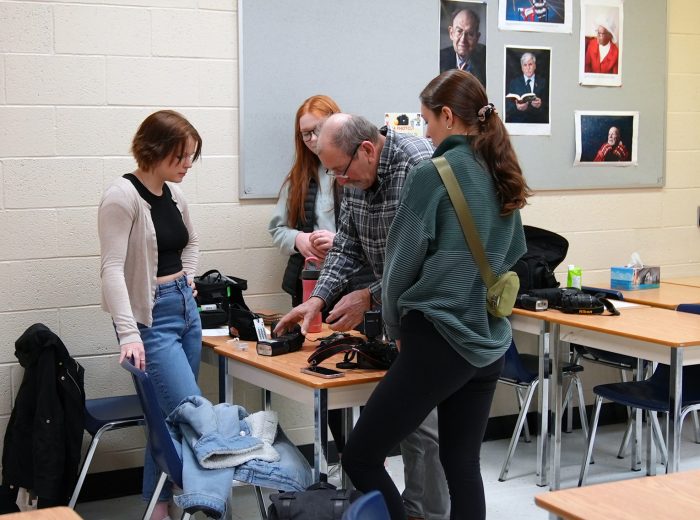
- PHOT2005 Lighting for Photojournalists
-
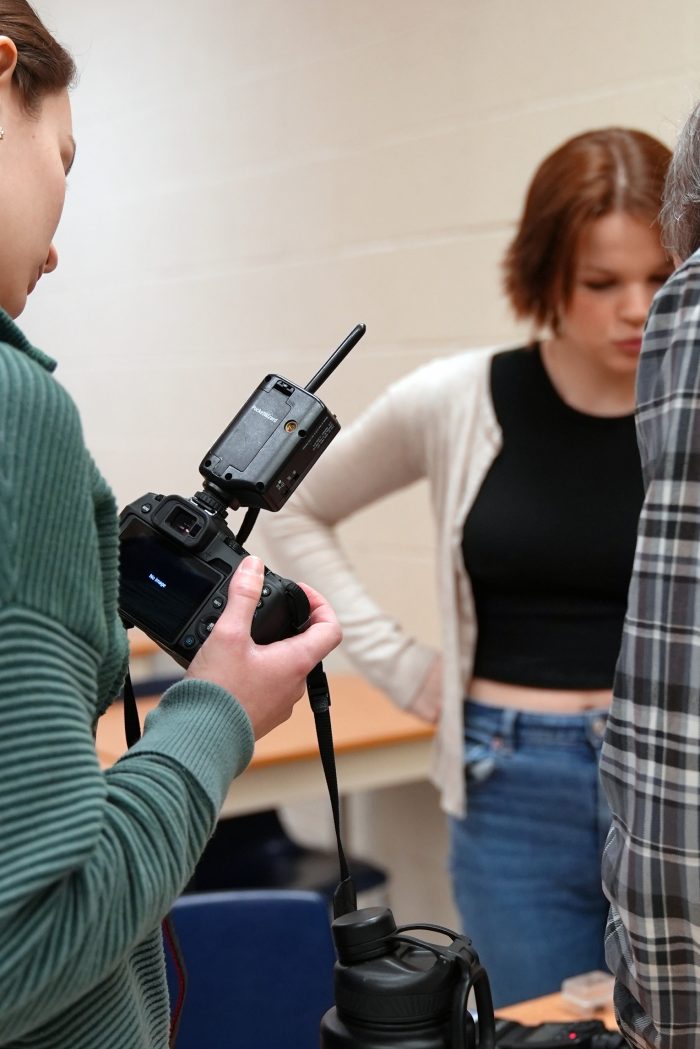
This course is an introduction to the techniques of field lighting using portable flash units. The techniques of using bounce light, multiple flash with slave units, and fill flash combined with ambient sources are covered.
- PHOT2002 Multimedia for Photojournalists
-
This is an advanced course in video storytelling. Building on skills learned in Semester 1, this hands-on course will further explore the tools and software used in multimedia photojournalistic storytelling. Students will be challenged to use these tools to tell more complex narratives.
- PHOT2003 News and Feature Photography
-
This course in editorial photography includes news, feature, and sports photography content, using a variety of lenses and techniques.
- PHOT2004 Photo Editing
-
This is an advanced course in the decision-making process of photojournalistic editing. Students will be exposed to a wide variety of editing situations from self-editing to editing the work of others, with an emphasis on the thought processes involved in both.
- WRIT2006 Writing for Photojournalists 1
-
This course is tailored to the news and feature writing needs of photojournalists. The marriage of words and pictures for maximum impact as a communication tool is covered.
- GNED General Education Elective
- General Education Courses
- Second Year - Semester Four
- PHOT2007 Daily Assignment Photography
-
This is an intensive, same-day deadline-oriented course, providing students with reality-based experiences similar to freelance photojournalism assignments or those given by a daily newspaper, website or magazine. Improving a student's portfolio is emphasized.
- WKPL2064 Field Placement
-
Students will spend four weeks at a newspaper, magazine, agency, or elsewhere in the print and electronic journalism industry. The placement host will assess the student's performance, ability, and attitude in collaboration with faculty.
- PROF2041 Field Placement Preparation
-
Students will research and secure their own placement, supported by faculty. This course will prepare students for a workplace experience.
- PHOT2006 Photojournalism Publishing Project
-
Using Adobe InDesign and Adobe Spark, students will be introduced to publishing stories using their own content and will further build their online and hard-copy marketing materials and brand.
- PHOT2008 Publication Lab-The Pioneer
-
Alongside each other, students will produce The Photojournalism Pioneer, a weekly, award-winning online publication. In this culminating learning experience, students are tasked with putting into practice all of the aspects of the "triple-threat skill set" of photography, writing, and multimedia production, in a real-world setting.
- WRIT2007 Writing for Photojournalists 2
-
Students will continue to explore the relationship between images and words as they create integrated news and feature pieces for publication.
*Courses subject to change.
Turn your diploma into a degree
Many universities across Canada and abroad will provide credit recognition for your diploma studies at Loyalist College. The following is a list of agreements that are currently in place. There are many more options, and new agreements are added annually. Contact your university of choice to make individual arrangements. Click here for more information about university transfer agreements.
- Algoma University – B.A.; B.B.A.; B.Sc.; Bach. Computer Science
- Athabasca University – Bachelor of Professional Arts in Communication Studies
- Brock University – various*
- Davenport University – Bachelor of Arts in General Business
- Griffith University – Bachelor of Photography
- Lakehead University – various*
- Laurentian University – various*
- Laurier Brantford – any honours program
- Nipissing University – various*
- Royal Roads University – Bachelor of Arts in Professional Communication
- Seneca College – Bach. Interdisciplinary Studies
- Ontario Tech University – B.A. Adult Education and Digital Technology
- University of Waterloo – various*
- Wilfrid Laurier University – various*
- York University – various*
*Various potential degree pathways. Please confirm details with the receiving institution.
Post-grad at Loyalist
- Graduates from the Photojournalism program are encouraged to apply to the Public Relations – Event Management post-graduate certificate program at Loyalist
- Students must apply through ontariocolleges.ca
How much will it cost?
Approximate costs (2023 – 24)
- Domestic Tuition: $2,722.08
- Full-Time Ancillary Fees:* $1,308
- Total: $4,030.08
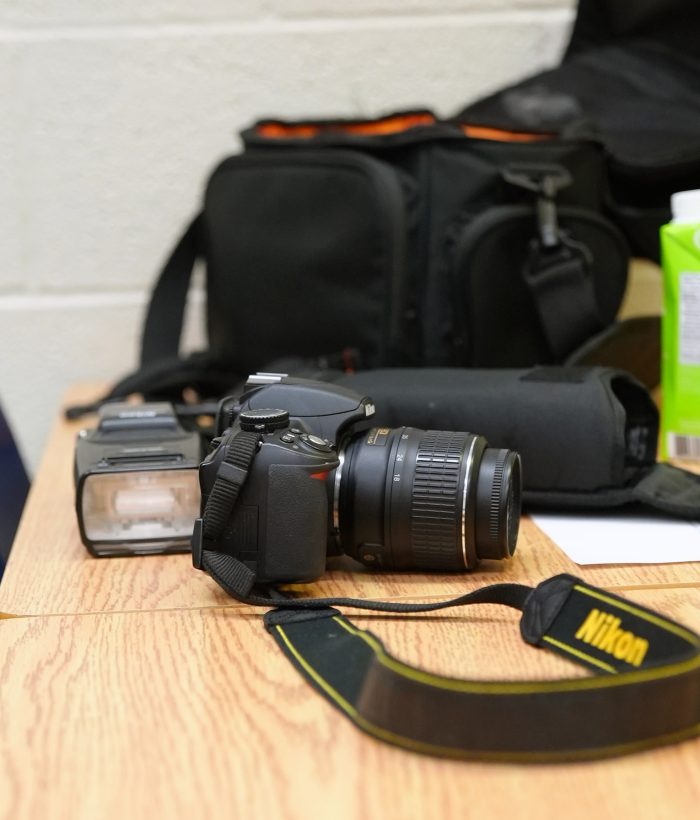
- Students should be prepared to spend approximately $3,500 on the purchase digital SLR camera equipment at the start of the program.
Additional costs, such as supplies, travel and parking, may be incurred during workplace visits, etc.
*Fees related to programs that are less than or greater than two semesters will be adjusted accordingly. Fees are subject to change. Please visit the Tuition and Fees web page for a list of the many services, activities and items included within the ancillary fees, and the related policies.
Equipment and supplies
Students entering the first year of the program must have a full-function digital SLR camera, as described in the equipment list. For required camera details, please refer to the Photojournalism Equipment and Supply List, mailed to each student when their application is received by the College. You can also download the list as a PDF file: Photojournalism Equipment List.
Bursaries and financial assistance
Loyalist College has a number of scholarships, bursaries and academic awards available to students. Our Financial Aid Office can help you explore your options, or assist you with a student loan.
Admission requirements
Required academic preparation
- OSSD/OSSGD or equivalent with courses at the general, advanced, (C), (U) or (M) level, AND
- Grade 12 English (C) level or equivalent
OR
Additional requirements
- Computer laptop with program-specific software package(s). Specific computer requirements will be recommended.
- Full-function digital SLR camera.
- A College vehicle is available for use on assignment by students with a G-level driver’s license and Driver Abstract (insurance provided).
Recommended academic preparation
- Computer literacy, basic photography, current events, history, geography and public speaking.
Advanced Standing (PHJF)
- Applicants with a degree, diploma, or journalism experience can apply for advanced standing to graduate in just two semesters (8 months). Students should apply by April 30.
- Qualified students with prior post-secondary education may apply for advanced standing in January. Applicants are accepted through Nov. 30. Limited seats are competitive, based on a portfolio submission and interview.
- Applicants must have prior post-secondary education and be prepared to demonstrate competency in the basics of photography and journalism, based upon the outcomes in semesters one and two.
Prior learning assessment and recognition
Applicants with work experiences or other types of non-credentialed learning may be eligible for credits at Loyalist College. Graded credits (as opposed to exemptions) are granted. Click here for more information about our assessment and credit challenge process.
International students
Click here for information about how to apply, international student fees and more.
All teaching within Loyalist College is conducted in English. In order to be successful in a program, skills such as communication, listening, comprehension, and reading and writing must be at a level sufficient to meet the demands of post-secondary studies. All applicants to Loyalist College whose first language is not English, or whose previous education was in another language, will be expected to provide an English proficiency assessment for admissions approval. For more information, please click here.
Campus News
LOYALIST COLLEGE STUDENT-RUN QNET NEWS SERVICE NAMED BEST COLLEGE/UNIV...
 Belleville, Ontario, May 18, 2021 – Six 2020 Loyalist College recent graduates placed first in three of four Ontario Community Newspapers Association (OCNA) Better Newspaper Competition Colleges and... Read More
LOYALIST COLLEGE PHOTOJOURNALISM GRADUATE CHRIS DONOVAN WINS WORLD PRE...
Belleville, Ontario, May 5, 2021 – In the World Press Photo Foundation’s 2021 World Press Photo Contest, Loyalist College Photojournalism graduate Chris Donovan (2017) won first prize in the categ... Read More
LOYALIST COLLEGE PHOTOJOURNALISM GRADUATES WIN TOP NATIONAL PICTURES O...
Belleville, Ontario, April 29, 2021 – Nine Loyalist College Photojournalism graduates received 2020 National Pictures of the Year (NPOY) awards from the News Photographers Association of Canada (NP... Read More
LOYALIST COLLEGE PHOTOJOURNALISM STUDENTS AND GRADUATES WIN TOP NATION...
Belleville, Ontario, May 21, 2019 – Twelve Loyalist College Photojournalism students and graduates received 2018 National Pictures of the Year (NPOY) awards and placed in 13 of the 17 award categori... Read More
LOYALIST COLLEGE PHOTOJOURNALISM STUDENTS AND GRADUATES RECEIVE NPACâ€...
Belleville, Ontario, May 3, 2018 – Loyalist College is proud to announce that 16 Photojournalism students and graduates received National Pictures of the Year (NPOY) awards and placed in 16 of the ... Read More
In the News
Belleville Intelligencer
Quinte News
Belleville Intelligencer
InQuinte
Belleville Intelligencer
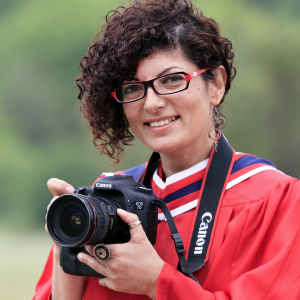
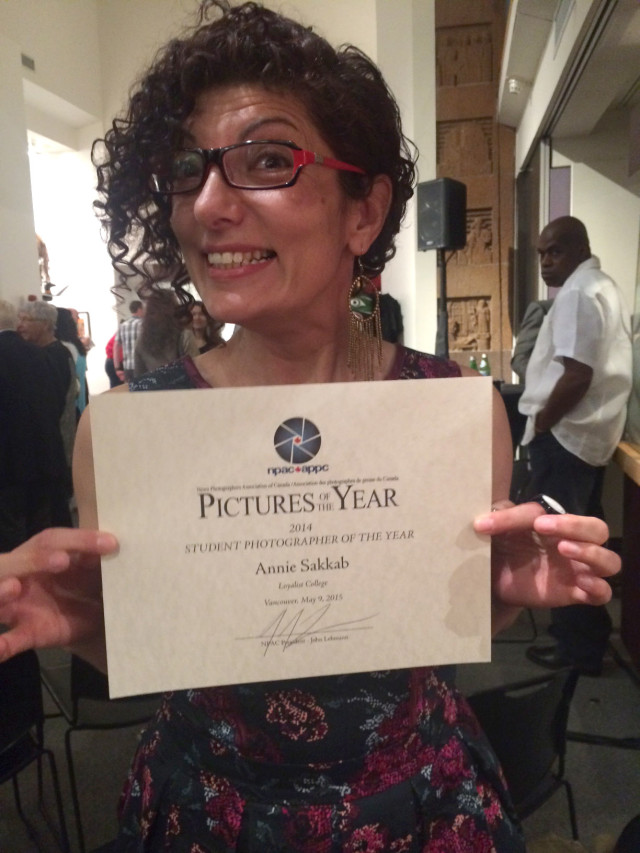
2015 Graduate Annie Sakkab is NPAC's Student Photographer of the Year (2014)
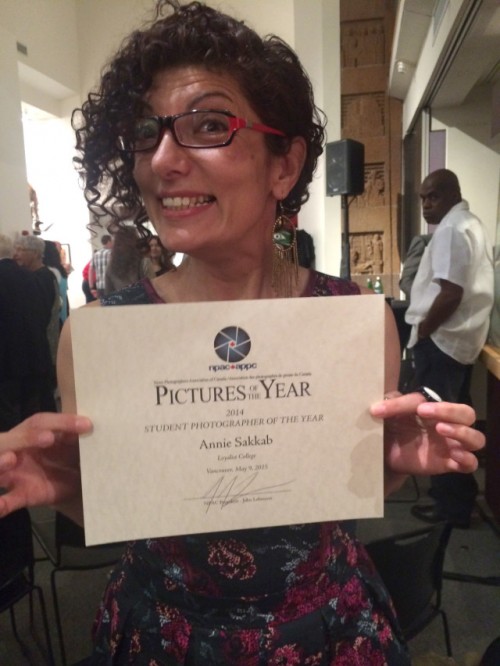 Sakkab received the award from the News Photographers Association of Canada’s (NPAC) National Pictures of the Year (NPOY) awards competition, recognizing excellence in Canadian photojournalism, at the NPOY Gala on May 9, 2015 in Vancouver, British Columbia. More than 1,880 submitted images were considered for the 2014 awards. Click here to see the full list of 2014 recipients and their work.
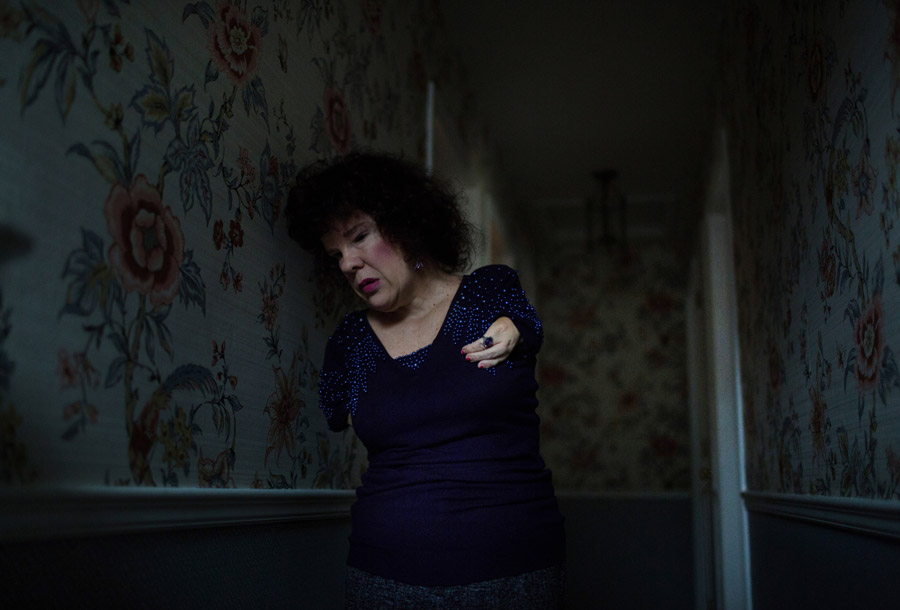
2011 student Michelle Siu received News Photographers Association of Canada’s (NPAC) Photograph of the Year (2014) award
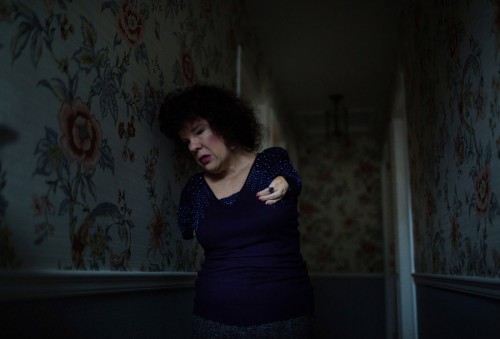 Oshawa, Ontario – November 9, 2014: "Thalidomide victim Bernadette Bainbridge, 52, has seal-like hands, one ear, partial facial paralysis and is completely reliant on her elderly parents." - Michelle Siu
Julia McKay wins Award of Excellence for spot news
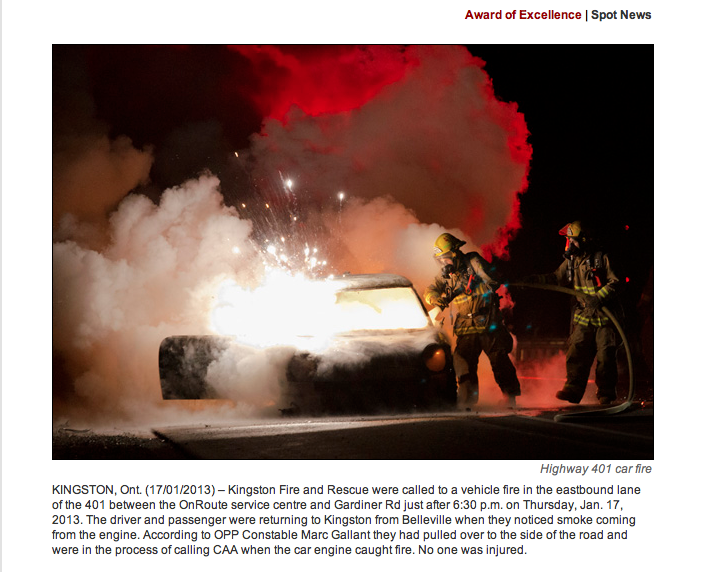
 Loyalist Photojournalism 2013 grad Julia McKay was the recipient of an Award of Excellence in the Spot News category in the 68th CPOY Photojournalism Competition. The winning image was made on her hour-long drive home to Kingston from Loyalist in January of 2013. Julia is now a staffer at the Kingston Whig Standard in Kingston, Ontario. Julia was also awarded the Paul Henry Award for commitment and dedication to spot news coverage while at Loyalist.
Hannah Yoon wins Tom Hanson Photojournalism Award
 Photojournalism student Hannah Yoon won the prestigious Tom Hanson Photojournalism Award for 2014. Click here to see the full press release from the Canadian Journalism Foundation, which co-sponsors the award with the Canadian Press.This is the first time the award has gone to a student still in school. View Hannah’s submitted portfolio: See Portfolio
 Photojournalism Student Work: Watch video
Throughout our two years at Loyalist College as photojournalism students, there have been a group of resilient yeasayers who have acted as an integral part of our development as photojournalists. Continually, members of the Belleville community accept eager, sometimes timid, budding photographers into their stores to photograph them working, take a portrait or simply get advice or contacts<