




Radio
Please note that this program is closed. Applications are not being accepted at this time.
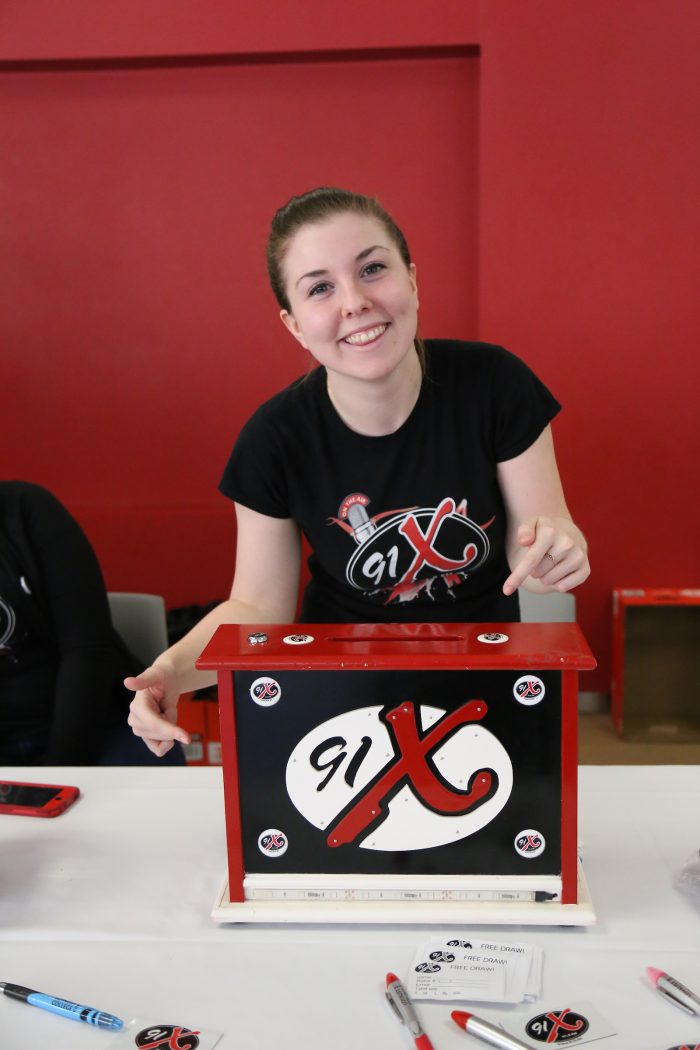
Want to work at a radio station or enter the entrepreneurial world of podcasting? This hands-on program blends performance, content creation, technical production, and business skills to prepare students for success in the radio and podcasting industry. Loyalist College has two radio stations including, Loyalist Hot Hits and CJLX – 91X FM Alternative Radio. 91X is a CRTC (Canadian Radio, Television & Telecommunications Commission) licensed community campus stations serving the Bay of Quinte region (Listen Live). In addition to the professional training you will receive, you’ll gain effective speaking skills to improve your announcing delivery. Be it for local news, sports, traffic, weather, community events, current affairs or politics, you’ll cover it all while being fully immersed in multi-platform production. A career in radio can take you anywhere. Please note: Students will receive an Ontario College Diploma in Broadcasting – Radio.








Testimonials





- Credential
Two-year Ontario College Diploma
- Location
Belleville campus
Find your career
Radio and podcasts are critical sources for local news, sports, community events, current affairs and niche topics of interest such as fashion, business and entertainment. There are many opportunities in the radio and audio industry for trained professionals, both locally and nationally:
- Graduates find positions as announcers, podcasters, producers, copywriters, sales and promotional personnel, sportscasters, multi-platform content creators and radio web managers.
- Recent Loyalist College grads are working at radio stations across the country, at PLAY 92.1/104.9 The Wolf Regina, Moose FM Smithers BC, The Wolf Peterborough, HOT 89.9/LIVE 88.5 Ottawa, MOVE 98.3 Kingston, 95.5 HITS Belleville, New Country 92.3 Fredericton NB and MIX 106.5 Owen Sound.
Is it for you?
A wide range of people enjoy careers in radio. They may be described as people who:
- Are artistic and creative
- Enjoy being the centre of attention
- Prefer to work out of the spotlight, as part of a team
- Are curious and enjoy learning a little bit about everything
- Enjoy telling and creating stories
Our grads get great jobs
- Station Manager, ELMNT, Toronto
- Imaging Producer/Content Director, 105.7 K-Rock, Kingston
- Afternoon host/Program Director, Z-1035, Toronto
- Promotions Coordinator, JUMP! 106.9 & BOOM 99.7, Ottawa
- Account Executive, Bell Media, Ottawa
- Shoutcaster/Commentator, Freelance, Toronto
- Morning Show Host, Bounce Radio 103.7 / Podcaster, Boys in the Booth Podcast, Brockville
Experiential learning
From the first week of classes you’ll get hands-on experience in a live, on-air environment, preparing you for actual broadcast conditions in the industry. In 2014, the CRTC renewed the broadcast licence for CJLX-91X FM for a seven-year term, which has been extended until 2022.
- Create radio productions and audio content, in studio and on location, using relevant broadcasting equipment and related industry technologies.
- Deliver, support, and promote radio broadcast content via multiple platforms using a variety of media.
- Participate in the planning and preparation of programming content for a variety of radio formats.
- Monitor and evaluate the quality of radio broadcasts using appropriate relevant resources, tools and equipment which meet current industry standards.
- Assist in promoting a station’s brand and generating revenues through a variety of marketing and advertising sales activities.
- Plan and prepare interviews, scripts and reporting content for use in radio broadcasts.
- Use business skills and accepted industry practices in the completion of tasks and projects.
- Keep current with the needs of the broadcast industry using strategies that enhance work performance and guide professional development.
- Perform all work in compliance with relevant statutes, regulations, legislation, industry standards, and company policies.
- Present live programming on air to relay various types of information and stories in different formats.
- Get valuable work experience during a four-week field placement anywhere in the country, with the potential to graduate into a job.
Outstanding faculty make the difference
- Professors bring decades of experience in radio broadcasting to the program.
- Many continue to work in radio, bringing current industry knowledge to the classroom.
- An expansive network of peer connections worldwide helps connect students with jobs.
 Belleville, Ontario, June 12, 2019 – Ten students from Loyalist College’s Interactive Media Development – Film & Television Production and Broadcasting – Radio programs received Canadian M...