JANUARY (Full-time), Flexible Start Dates (Part-time)
One-year, two-semester program offered in a compressed time frame of 24 weeks
| Contact: | E-mail: |
|---|---|
| Gail Orr | gorr@loyalistc.on.ca |
| Marilyn Plunkett | mplunkett@loyalistc.on.ca |
Personal Support Workers provide a range of support to help their clients live as independently as possible. Assistance with the routines of daily living may include personal care, bathing, meals and home management.
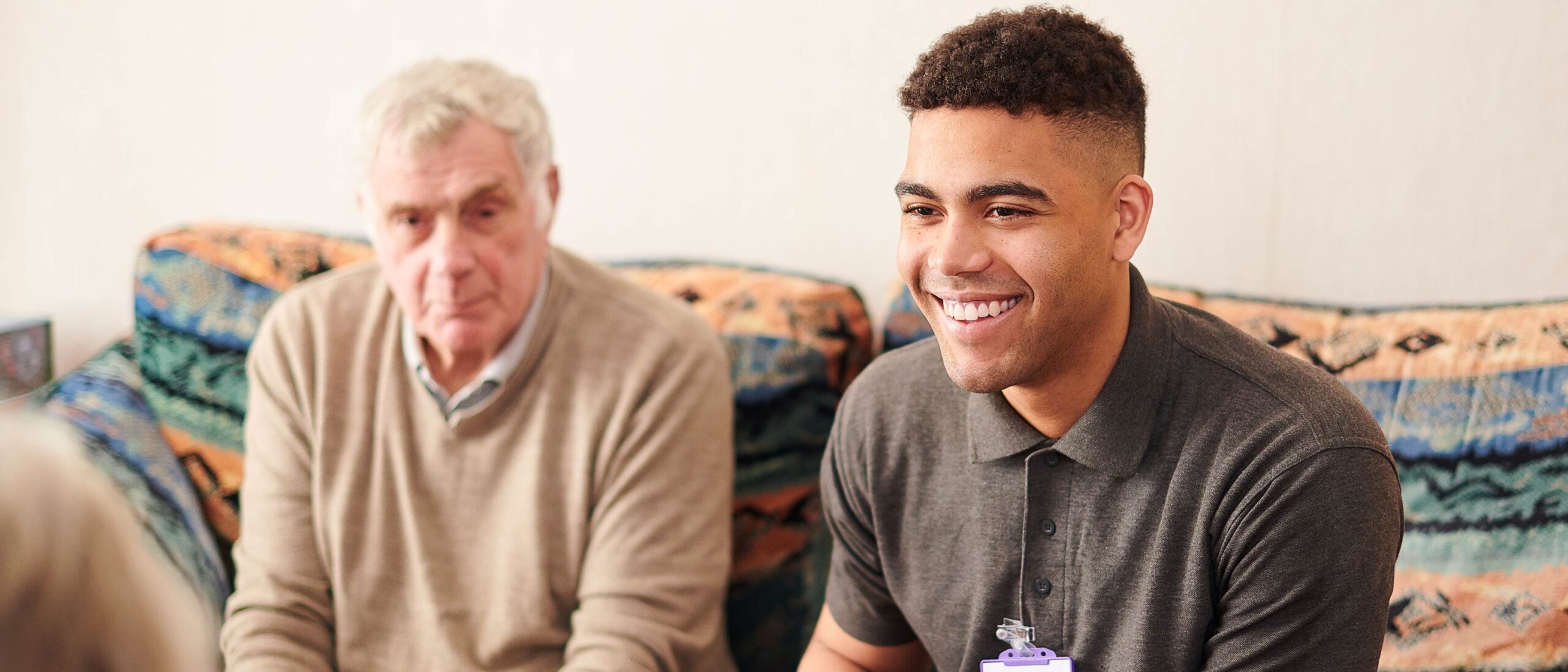
Personal Support Workers are employed in hospitals, long-term care facilities, retirement homes, and community agencies providing support in the client’s home. They work under the direction of both the client, and regulated health care professionals such as Registered Nurses, Registered Practical Nurses and physiotherapists.
Personal Support Workers provide supportive care to clients who are experiencing physical, cognitive, emotional and behavioural challenges. They must be compassionate and conscientious – working cooperatively with clients of different backgrounds, their families and other members of the health care team.
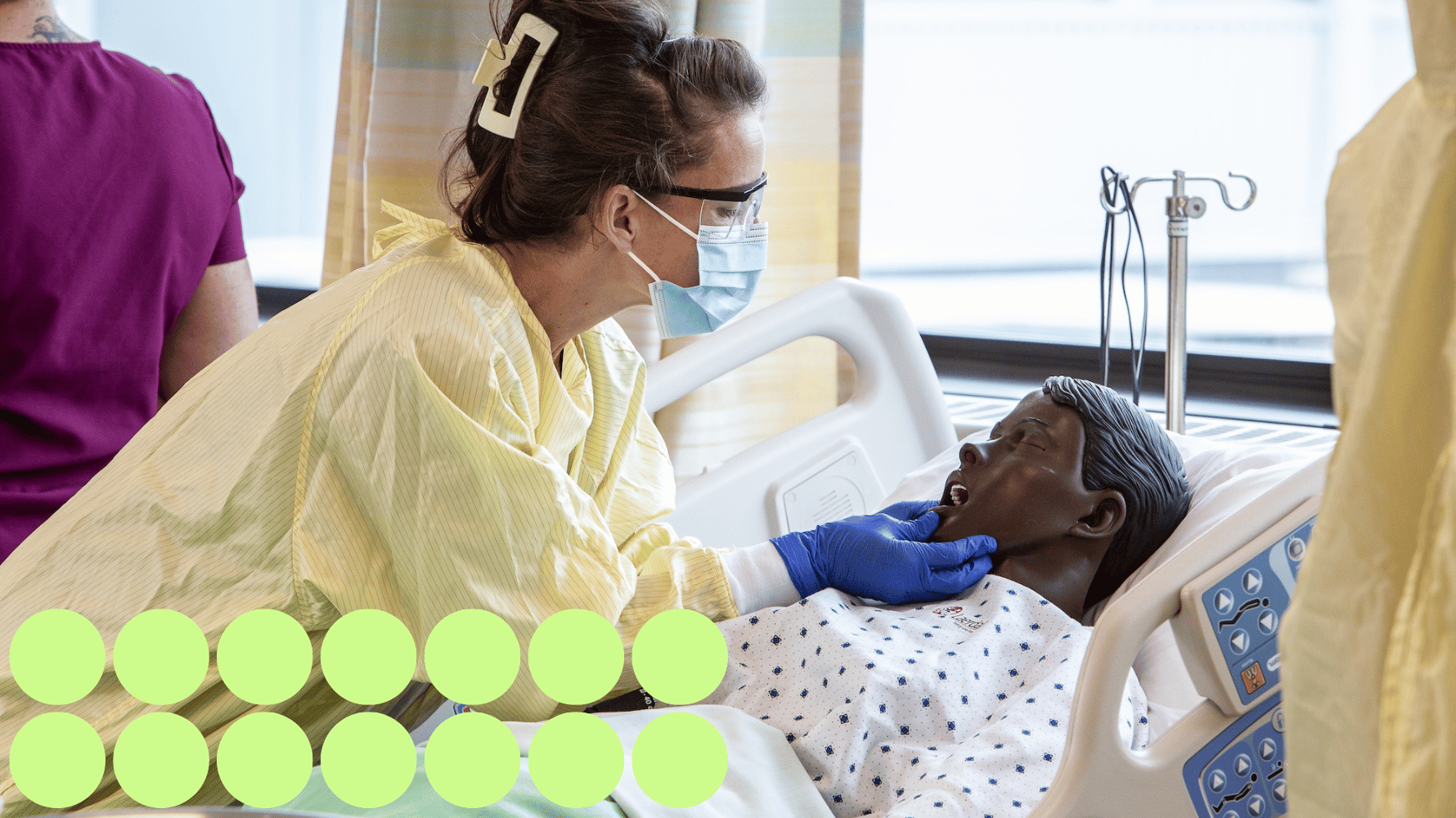
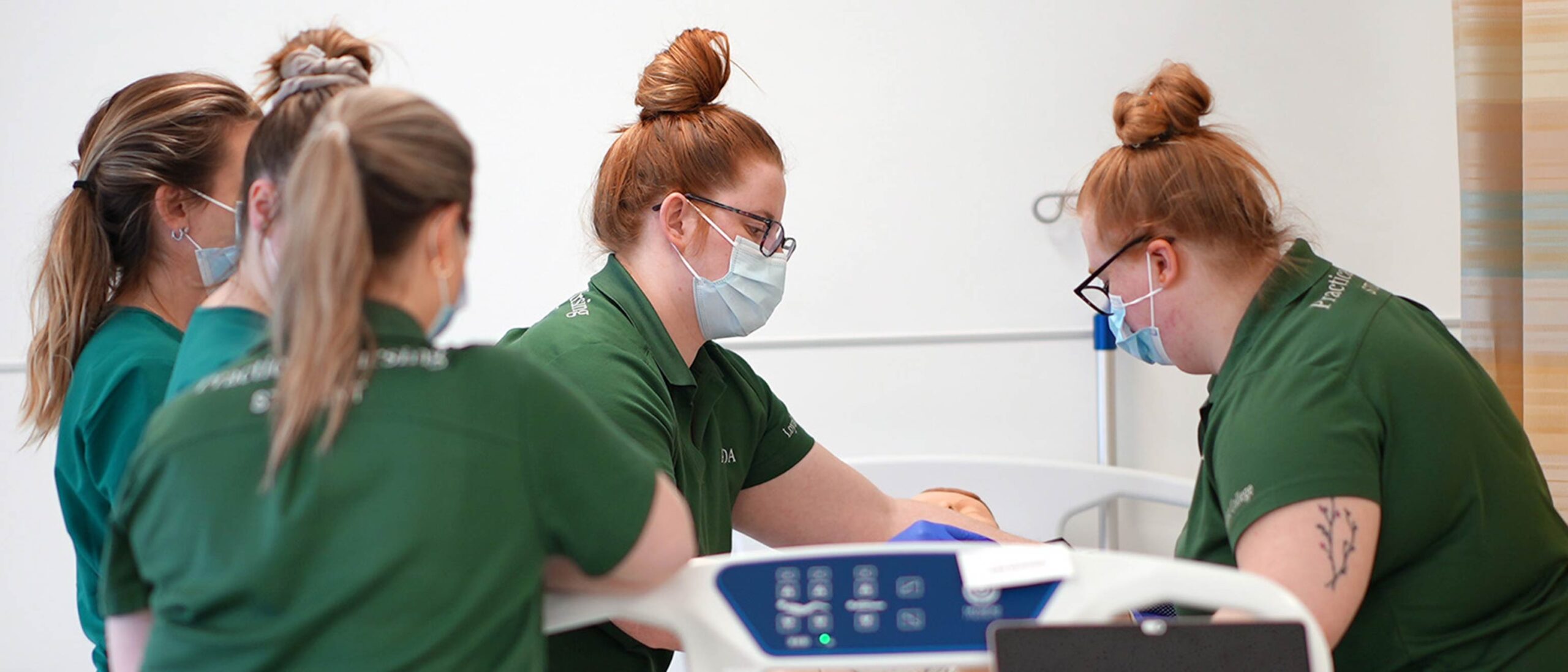
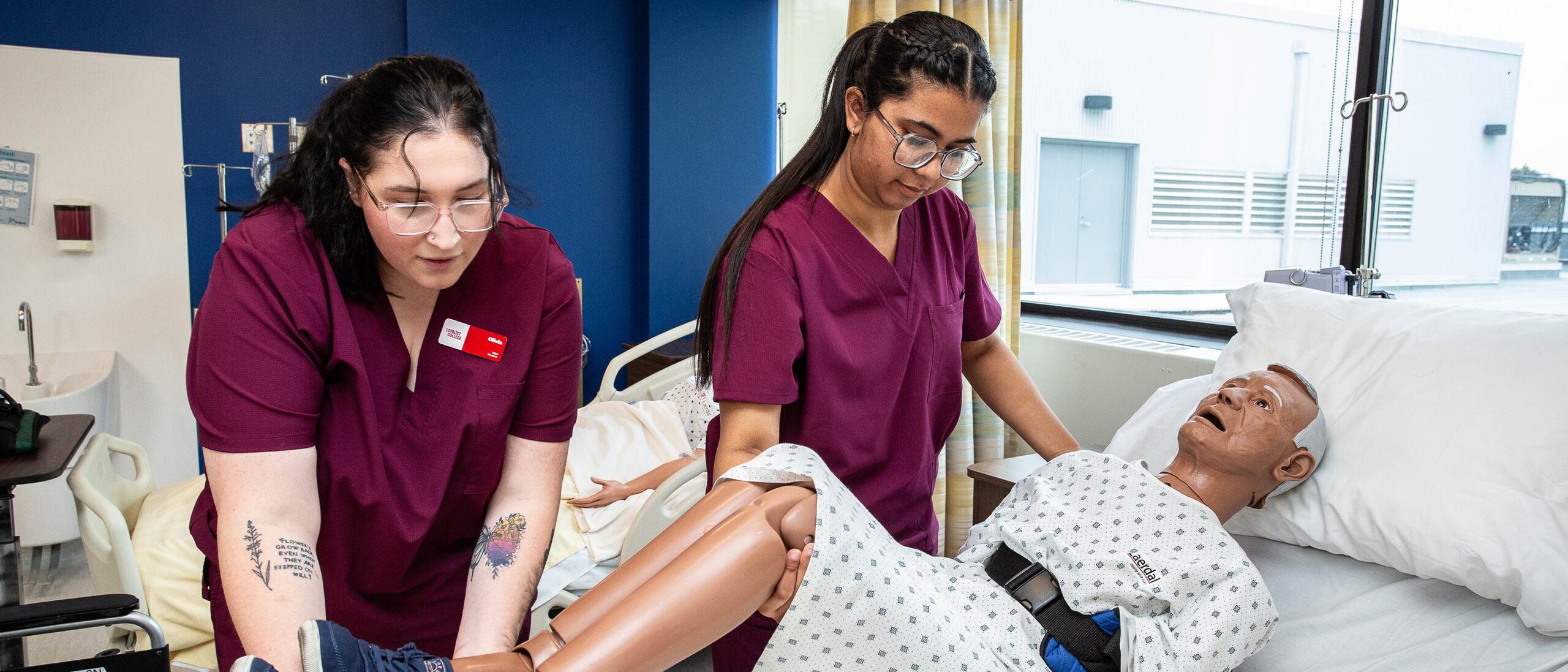
Learning is very hands on, combining theory, placement experience, and laboratory practice including work with hi-fidelity human clinical simulators in our leading edge Human Simulation Lab. Small clinical practice groups work under the guidance of experienced faculty. Students learn to follow a care/service plan incorporating the principles of rehabilitation and health promotion. They will learn to recognize, record and report any changes in the client’s condition, as well as potential signs of abuse. Throughout the first semester, they will develop the skills and knowledge to effectively support clients in their day-to-day activities emphasizing trust, respect and individual choice.
Students gain extensive workplace experience, culminating in a full-time “pre-grad” placement – performing the full job functions of a Personal Support Worker and working one-on-one with an experienced PSW. Full-time clinical placements include experiences in long-term care facilities and in-home agencies. Graduates of this Ontario College Certificate program are employment-ready in less than one year with no further qualifying exam or certification.
Tuition/Ancillary Fees: $3,096 (two semesters)
Consumables Fee: $75
Books and Supplies: $450
(a) Required academic preparation –
OR
(b) Health: To qualify for the practice components of the program, accepted applicants are required to have the physical capabilities to meet the practice requirements and submit written documentation of immunization against certain communicable diseases prior to clinical placement.
(c) CPR and First Aid: Students must successfully complete the Basic Cardiac Life Support (BCLS – Level C) and a Standard First Aid course prior to the start of the program. These certificates must be valid for the duration of the program.
(d) Criminal Record Check: In order to participate in clinical placements, students will be required to complete a clean criminal record check by their local police service. Criminal record checks should be completed upon admission to the program.
Focus on the development of skills required for the workplace. Skills included: penmanship, spelling, grammar, reading, writing and basic computer skills.
In simulated practice in the nursing laboratory, learn the basic Personal Support Worker skills required to assist residents of nursing homes/private homes, to meet their basic activities of daily living. Included: handwashing, positioning, personal hygiene, feeding, bedmaking, transfers, and communication skills.
Simulated practice in the nursing laboratory for Personal Support Worker skills required to assist in meeting the need of the resident/client in the Nursing Home/Community. Included are: T.P.R., care of the catheter, care of the infant, meal planning, and assisting with medications.
This course introduces the student to assisting residents in a nursing home who require support in activities of daily living. Students, under the direct supervision of a teacher, develop these skills while working within a team.
Begin with the anatomy and function of body systems, and normal growth and development throughout the lifespan, with a concentration on the older adult. Using a support/care plan, learn to assist clients experiencing mental illness, cognitive impairment, and health problems related to the gastrointestinal, urinary, nervous, circulatory respiratory, endocrine, lymphatic, and musculoskeletal systems. Assisting the client with medications is included.
Learn measures to promote a safe and comfortable environment for the client. Principles of safety, mobility, personal hygiene, nutrition, and meal planning are included.
Understand the needs and expectations of the client, ethical and legal considerations, appropriate interpersonal skills, and the importance of the support/care plan. Techniques to assist the family and the client who is dying are discussed. Concepts related to employment and career planning are included.
Students work with a staff member/preceptor in providing support/care for clients in their homes. Under the guidance of the preceptor, the student further develops skills in supporting individuals and families in the tasks of daily living, including household management. Students participate in conferences with a program staff member to reinforce their role and the development of their skills.
Students work with a staff member/preceptor in the provision of support/care for residents in a Nursing Home. Under the guidance of the preceptor, the student develops skills in supporting groups of clients who reside in facilities with the tasks of daily living. Students participate in conferences with a program staff member to reinforce their role and the development of their skills.
This course focuses on preparing the student to work under the guidance of a preceptor. Principles of household management are included. The integration of knowledge and skills learned throughout the program will be emphasized.